









Should I Become a TV Anchor?
What is a news anchor? A news anchor presents news stories to the public, usually from a news studio, typically on a live broadcast. They are considered the face of the news station and 'anchor' the newscast, as the name implies, as they are the main person on-air in charge of navigating the news segments and transitions. News anchors conduct research, write scripts and verify information.
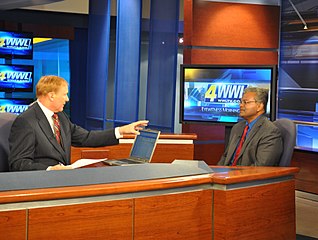
Television news anchors notify the public about breaking headlines and current news events. During live broadcasts, they introduce field and in-studio reporters who provide additional news information on specific stories. Anchors may also interview experts and professionals who have opinions or facts relating to a story.
 |
Working as a television news anchor means you must be ready to go live on-air at any point. Anchors are consistently on camera and viewed by audiences. However, the job comes with long hours and constant deadlines. Teamwork is key, and physical stamina is needed for the position. Professionals who start at a smaller news station can eventually work their way up to a large news provider. If you want to know how to become a news anchor, continue reading.
News Anchor Requirements
There are certain skills that are required to become an anchor. A TV anchor position usually requires a four-year degree and experience reporting news. Anchors should also be presentable and professional. Some of the duties include:
- Delivering a newscast (morning, afternoon and evening)
- Updating the public on breaking news
- Conducting interviews with locals and experts/professionals
- Researching and fact checking stories
- Writing scripts for broadcast
So how much do news anchors make? The median salary for news anchors as of December 2020 is $61,472, though the level of experience, along with the size of the news station and the timeslot of the newscast could all have an impact.
| Degree Level | Bachelor's degree |
| Degree Fields | Broadcast, journalism, mass communications |
| Experience | Internship or college newspaper experience |
| Key Skills | Excellent verbal, written, improvisational, and interviewing skills; ability to engage with audiences and interact with reporters and guests; persistence and objectivity; physical stamina; team player; professional image and attire; knowledge of social media; use of video editing software, teleprompters, and broadcast and newsroom equipment |
| Median Salary (2020) | $61,472* |
| Job Outlook (2019-2029) | -11% (for reporters, correspondents and broadcast news analysts) |
Sources: U.S. Bureau of Labor Statistics, Monster.com job postings (December 2020), *PayScale (as of December 2020)
Steps to Become a News Anchor
There's not just one pathway to take to successfully figure out how to be a news anchor. Different individuals may use different work experiences and trajectories, which may be relevant to work their way to this spot. For example, both producers and reporters may be able to use their experience to fulfill the anchor requirements in the job description, depending on the news station. Though there isn't a single pathway, there are a few steps to becoming a news anchor that are common for those aspiring to work in this role.
Step 1: Obtain a Bachelor's Degree
For many job listings, TV news anchor education requirements usually include a four-year degree. Many employers prefer news anchors with a bachelor's degree in broadcast journalism, mass communication, or journalism, although communications and similar majors are acceptable. The coursework for these programs is liberal arts-based with a mixture of writing classes and speech classes. These courses will not necessarily include a specific newscaster course or a news anchor course but classes covering multimedia, public relations and editing are helpful in the news anchor role. If specializations or minors are available in broadcasting, a student may need to complete the applicable classes in order to become familiar with television news and production.
Success Tips
Participate in school programs to gain experience. The first real news experience many students get is through school programs. Many schools have a school newspaper, and some have radio or television stations as well. These extracurricular activities introduce students to the news business and can be added to their resume. Additionally, participating on a debate team can help a student develop a confident and clear speaking voice.
Complete an internship to gain field experience. In addition to working with school programs, future news anchors may consider hands-on experience at a news station. Many news stations hire interns over the summer or part-time during the semester. These internships offer a practical outlet where a student can learn and understand how the television news field operates before pursuing a full-time career. While working in these internships, students can acquire and develop work contacts for future use.
Step 2: Work as a TV Reporter or Producer
Before figuring out all the details of how to be a TV news anchor, you might want first consider how to get a job as a TV reporter as many anchors make their transition into the role with reporting experience. Reporters are often referred to as journalists. They research and investigate stories, using data and interviews for reference. Reporters write their scripts for both the on-air broadcast and articles. Another job that provides relevant experience for an aspiring news anchor is a news producer. Producers lead the production side of the newscast. Like reporters, they also write scripts though they have to balance that with supervisory duties and do not typically work in the field. They lead the production crew and are ultimately responsible for the presentation of the newscast. So, you might want to know what to study to become a news reporter, or a news producer for that matter, if you don't have enough relevant experience.
Still, a student may be prepared to find employment as a news anchor with a strong educational background, work experience, and contacts in the news and television industry. Many news anchors start with small news stations or in branch offices in local areas. After working in these smaller locations, a news anchor can develop a good reputation and pursue promotional opportunities at bigger nationwide news stations.
Employers typically look for anchors with one to three years of professional experience, so students may need to work as reporters to build the necessary experience. Reporters may sometimes have the opportunity to fill in for absent anchors.
Step 3: Create a Resume Tape
When applying for a news anchor position, a DVD reel of previous on-air experiences is typically needed. Make sure to highlight your best on-air appearances covering various topics, if possible. This reel will give employers an idea of your skills and whether you can potentially apply those skills for their news station. News anchor school reels may also be included if you're just starting out, for example if you gained experience reporting news for your college.
Step 4: Consider Earning a Master's Degree
While not required for employment, completing a master's degree program will provide students with additional training in the field. Master's degrees are available in broadcast journalism and communications. Candidates with graduate degrees typically have a competitive advantage when seeking job opportunities or advancements.
News Anchor Summary
So, if you want to know how to become a TV news anchor, you'll need certain skills and experience. Television news anchors must have a bachelor's degree in broadcast journalism or communications, relevant internship experience, and work experience in smaller fields in order to work their way up and become successful. Hard work, perseverance, objectivity, and exceptional verbal and written skills are just a few of the skills needed in order to be successful in this field.
It's also worth looking into reporter and producer requirements if you don't have relevant experience. If you're still wondering, 'How long does it take to become a news anchor?' that will depend on how far you want to go, whether you want to work locally or nationally and how high you want to go in your education.