
Activities Coordinator: Qualifications
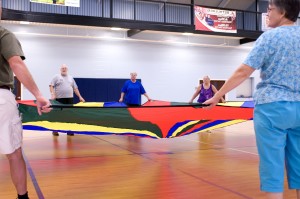
Although not always required, an activity coordinator certification can help professionals advance in the field. Requirements can include completion of an associate's or a bachelor's degree program in recreation therapy or a related major. For example, individuals interested in becoming an activities coordinator for the elderly can pursue an associate's degree program in gerontology that focuses on fitness and health issues related to aging populations. Programs combine classroom and hands-on learning, whereby students learn to implement activities for assisted living facilities, nursing homes, and other organizations.
Students interested in applying to a degree program must have a high school diploma. Some schools may require an activity coordinator certificate or licensure to participate in clinical settings. Clinical training, experience, fieldwork, lab work, or an internship may be required. Associate's programs take two years to complete, while bachelor's degrees require four years.
In our age of media, activities coordinators can expect to use a basic level of audio-video and digital technology literacy in their regular workday. In addition to entertainment technology, coordinators should be proficient in basic medical and office software, such as healthcare scheduling programs. Many of these skills can be picked up on the job, activity coordinator training courses and degree programs will also teach you to use relevant technologies.
 |
Activities Coordinator: Degree Programs
One option for taking an activity coordinator training course online is to enroll in a degree program at a university or community college. Many higher learning institutions offer remote learning opportunities in multiple fields, including recreational therapy. Degree-seekers can choose from an associate degree program or a longer, more comprehensive bachelor's degree.
Associate Degree in Therapeutic Recreation
In an associate's program, students receive training in providing recreational assistance to those with physical, sociological, and psychological disabilities. In these programs, students learn to initiate protocols, utilize community resources, and organize individual or group events. Students also receive training in restorative and therapeutic methods. Therapeutic recreation courses evaluate the psychological effects of exercise, lifestyle readjustment, and human development. Coursework requirements vary, but may include:
- Psychology
- Public speaking
- Social work
- Recreation leadership
Bachelor's Degree in Recreational Therapy
Course disciplines often include psychology. Some course subjects are:
- Leisure recreation
- Group dynamics
- Developmental psychology
- Recreational programming
- Therapeutic recreation research
Recreational therapists could decide to obtain master's degrees for more intensive training and career advancement. Master's degree programs typically take two years to complete, but some truncate the program for applicants with bachelor's degrees in therapeutic recreation.
Popular Career Options for Activities Coordinators
In addition to working with the elderly, graduates with a therapeutic recreation associate's degree can find employment at adult day care centers, group homes, substance abuse treatment centers, or penal institutions. Job titles can include:
- Activities director
- Therapeutic recreation specialist
- Senior care specialist
- Juvenile outreach coordinator
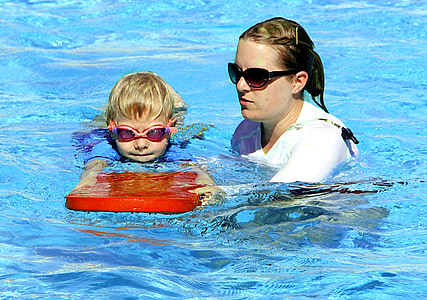
Activities coordinators often work with the elderly or infirm in various settings, such as nursing homes, rehabilitation facilities and mental hospitals. Careers options include:
- Nursing home activities director
- Geriatric recreation director
- Recreational therapist
- Activities consultant
 |
Job and Employment Outlook
The U.S. Bureau of Labor Statistics (BLS) reported that the recreational therapy field is competitive; however, job growth for recreational therapists, who usually need college degrees, was expected to increase 8% between 2019 and 2029. Recreation workers, who may find part-time jobs without degrees, could expect 10% growth (www.bls.gov) during that same time.
The BLS also stated that individuals with bachelor's degrees and NCTRC certification might fare best in the job market. According to BLS salary statistics, the average annual wage for recreational therapists was $48,220 in 2019, and recreation workers earned $26,350.
Activity Coordinator: Certification
Only a few states require licensure for recreational therapists as of 2017. Licensure requirements vary by state, but candidates might need a bachelor's or master's degree from an accredited college or university, internship experience, and passing scores on a state-approved certification or licensing exam.
Certification is not mandatory in this field, but could prove beneficial for career opportunities or advancement. The National Certification Council for Activity Professionals (NCCAP) offers three levels of activities coordinator certification online, and one in-person option. Higher levels of certification require prior experience and an examination that candidates may be required to take on-site at a testing center. NCCAP credentials require all candidates to complete the 16-week Modular Education Program for Activity Professionals that covers activity planning and coordination for adults, families, and seniors. The course is available from multiple virtual and in-person instructors.
Associate's and bachelor's degree programs related to recreational therapy can prepare students for work as activities coordinators, as they'll learn about necessary topics like human development, and recreational programming and leadership. Curriculum sometimes includes both traditional coursework and direct experience learning opportunities.